Logo
Explore AdventuresQuick Guide
No mega menu data available.
About CompanyOur ServicesOur PhilosophyOur Team
Nepal

Nepal

hiking

Hiking in Nepal: Walk Deeper Into the Himalayas

Hiking in Nepal is more than a morning trail walk; it is an immersive encounter with one of the most dramatic landscapes on Earth. From the rhododendron-draped hillsides above Pokhara to the ancient pilgrimage paths threading through the Kathmandu Valley, Nepal offers a hiking experience that blends raw natural beauty with living cultural heritage at every turn.

You do not need weeks of preparation or a mountaineering background. Nepal's hiking trails welcome everyone — the curious first-timer, the family traveler, and the seasoned adventurer looking for something beyond the well-trodden expedition routes.

At Big Sky Treks, we have spent years walking these paths so we can guide you along the very best of them.

Explore Nepal Regions

Our Signature Hikes

1. Phulchoki Hill Day Hike

The highest point on the Kathmandu Valley rim, Phulchoki is a forested mountain sanctuary that bursts with rhododendron blooms in spring and rewards hikers with some of the finest unobstructed Himalayan views accessible from the capital.

  • The Experience: Ascend through dense subtropical forest alive with bird species, emerge onto an open summit, and take in a panorama stretching from the Annapurnas in the west to Everest in the east.
  • Difficulty: Moderate | Duration: 1 Day

2. Sarangkot Sunrise Hike

Nepal's most iconic short hike. Sarangkot sits above Pokhara and delivers a sunrise view over the Annapurna and Dhaulagiri ranges that consistently ranks among the most photographed moments in the country.

  • The Experience: Begin your ascent in the pre-dawn darkness, arrive at the hilltop viewpoint as the sky turns gold, and watch the first light strike the snow-capped peaks of Machhapuchhre and Annapurna South.
  • Difficulty: Easy to Moderate | Duration: Half Day

3. Bis Hajaar Taal Nature Walk

One of Nepal's most unexpected hiking experiences. The trail around Bis Hajaar Taal — meaning "Twenty Thousand Lakes" — winds through dense jungle and open wetland on the fringes of Chitwan National Park, where the wildlife is as much a part of the hike as the scenery itself.

  • The Experience: Walk through subtropical forest alive with birdsong, follow a network of lakes and marshland teeming with wildlife, and keep watch for one-horned rhinos, wild elephants, and gharial crocodiles along the water's edge.
  • Difficulty: Easy | Duration: 1 Day

4. Nagarkot to Dhulikhel Ridge Walk

Nagarkot & Dhulikhel

A classic Nepal hiking route that connects two of the Kathmandu Valley's finest viewpoints along a forested ridgeline with near-constant Himalayan views. This is the hike that most clearly captures what makes Nepal's eastern hills so quietly spectacular.

  • The Experience: Set out from Nagarkot at sunrise, walk through pine forest and terraced Newari villages, and descend into Dhulikhel with a full day of mountain panoramas stretching from Langtang to Everest behind you.
  • Difficulty: Easy to Moderate | Duration: 1 Day

5. Lumbini Sacred Garden Walk

Unlike any other hike in Nepal, the Lumbini Sacred Garden Walk is a pilgrimage through one of the world's most spiritually significant landscapes — the birthplace of Lord Buddha. Flat, peaceful, and deeply moving, this is a hike that slows you down in the best possible way.

  • The Experience: Walk through the UNESCO World Heritage site at your own pace, visit monasteries built by Buddhist nations from across the world, and end at the sacred Mayadevi Temple where a marker stone pinpoints the exact spot of the Buddha's birth.
  • Difficulty: Easy | Duration: 1–2 Days
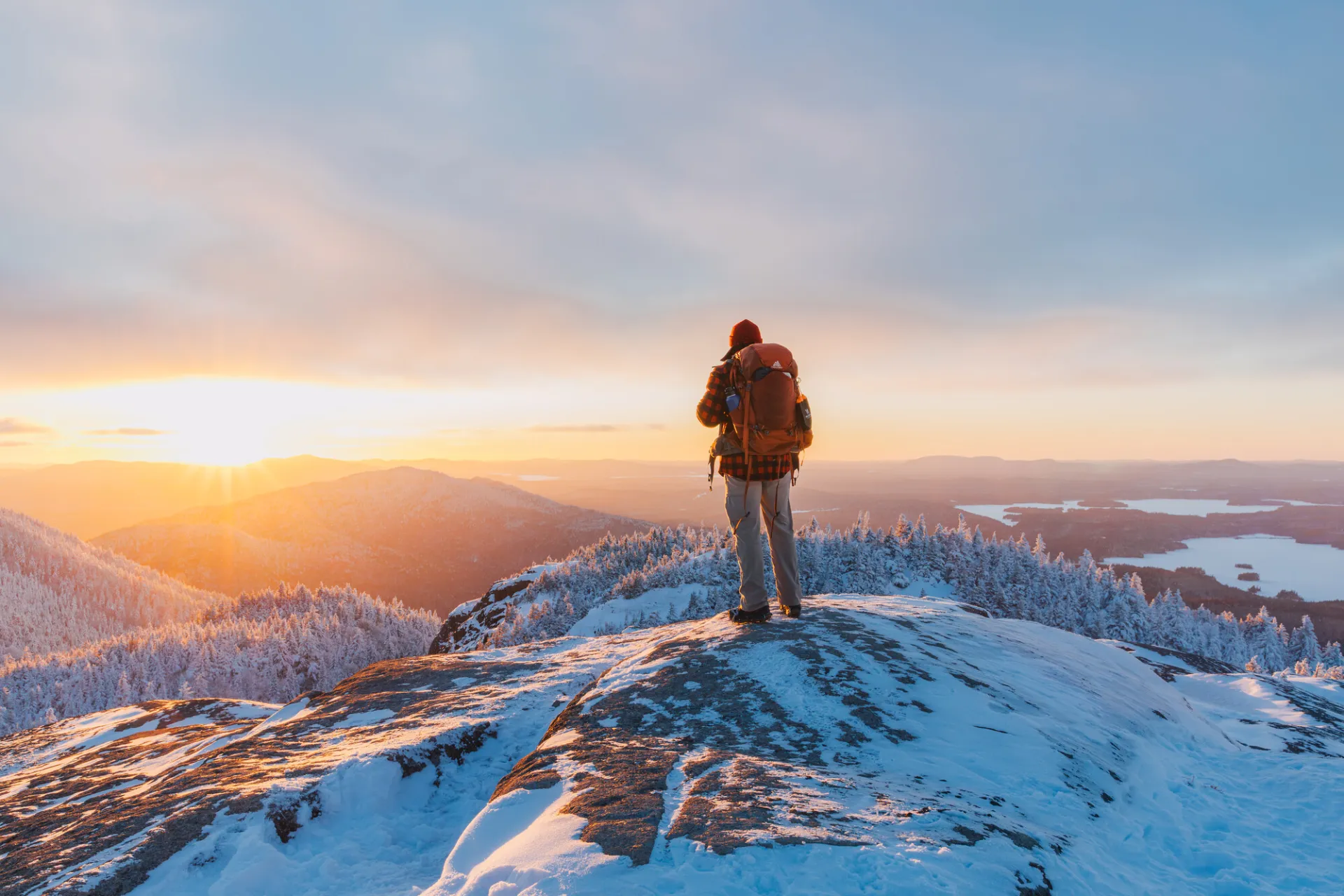
Life on the Hiking Trail in Nepal

One of the great pleasures of hiking in Nepal is what happens between the trailhead and the summit — the people, the food, and the quiet moments that make the journey as rewarding as the destination.

  • The Teahouse Stop: Nepal's trail culture revolves around the local teahouse — a simple, family-run rest point where you can refuel on hot tea, homemade soup, or a plate of dal bhat while the mountains frame the window behind you.
  • The Local Guide: Our guides are Nepali men and women who grew up near these trails. They know which viewpoint catches the best light, which teahouse makes the finest butter tea, and how to read the mountain weather before it changes.
  • The Unhurried Pace: Hiking in Nepal teaches patience. The trails are not meant to be rushed. The slower you walk, the more you see — and the more Nepal reveals itself to you.

Preparing for Your Hike in Nepal

Nepal's hiking trails are accessible, but a little preparation goes a long way toward making your experience genuinely comfortable.

  • Fitness Level: Nepal's hikes range from flat lakeside walks to steep hillside climbs. For moderate trails, a basic fitness routine in the weeks prior — regular walks with a daypack, stair climbing, and light leg strengthening — is all you need.
  • What to Wear: Nepal's mountain weather changes quickly. Layer a moisture-wicking base, a light fleece for ridge stops, and always carry a waterproof shell. Good broken-in hiking shoes make a significant difference on uneven trail surfaces.
  • Hydration and Nutrition: Carry at least two liters of water and a few energy snacks for longer routes. On most trails, teahouses provide regular food and water refill points throughout the day.

Responsible Hiking in Nepal

Nepal's trails pass through some of the most ecologically and culturally sensitive landscapes on Earth. We take that responsibility seriously.

We follow strict Leave No Trace principles on every route, avoid single-use plastics on the trail, and work exclusively with local Nepali guides who are paid fairly and treated with full professional respect. A portion of every booking goes directly to trail maintenance and local community initiatives along our hiking routes.

These paths have been walked for generations. We are committed to ensuring they remain open, clean, and beautiful for the generations still to come.

Ready to find your trail in Nepal? Let us walk you through it.

Talk to a Local Specialist

Frequently Asked Questions about Nepal

Helpful answers gathered from treks and products in Nepal.

No prior hiking experience is required. The trail is suitable for anyone with a moderate level of fitness — if you can manage two to three hours of steady uphill walking, Phulchoki is well within reach.
Spring (March to May) is the most spectacular season, when the rhododendron slopes are in full bloom. Autumn (October to November) offers the clearest skies and the sharpest Himalayan views from the summit. The trail can be hiked year-round, though monsoon season (June to August) brings slippery conditions and reduced visibility.
The full hike from Godavari trailhead to the summit and back typically takes six to seven hours including rest stops and lunch at the top. We depart Kathmandu early morning and return by mid-afternoon.
Phulchoki is one of the premier birdwatching destinations in all of Asia. The forest slopes host over 200 recorded species including the Spiny Babbler (Nepal's only endemic bird), various pheasants, laughingthrushes, and a remarkable variety of migratory species during spring and autumn. We recommend bringing binoculars.
Carry at least two liters of water, energy snacks, a light windproof jacket, sunscreen, a hat, and your camera. A packed lunch is provided. A small daypack of five to ten liters is ideal for the trail.
Contact Us

Plan your next adventure with confidence.

Have questions, need a custom itinerary, or want help choosing the right trek? Send us your details and our team will get back to you within 24 hours.

Fast response

We usually reply within 24 hours with the next steps.

Tailor-made support

Share your dates, group size, and ideas. We’ll help shape the perfect trip.

Send us a message

Fill in your details below and we’ll reach out as soon as possible.